Big Three credit bureau: unifying complex data operations

the brief
DataQA is a mission-critical platform for one of the three largest U.S. credit bureaus, processing 3.8 billion records each month. It validates data from external providers before it enters credit decisioning systems used by banks and financial institutions.
Problem
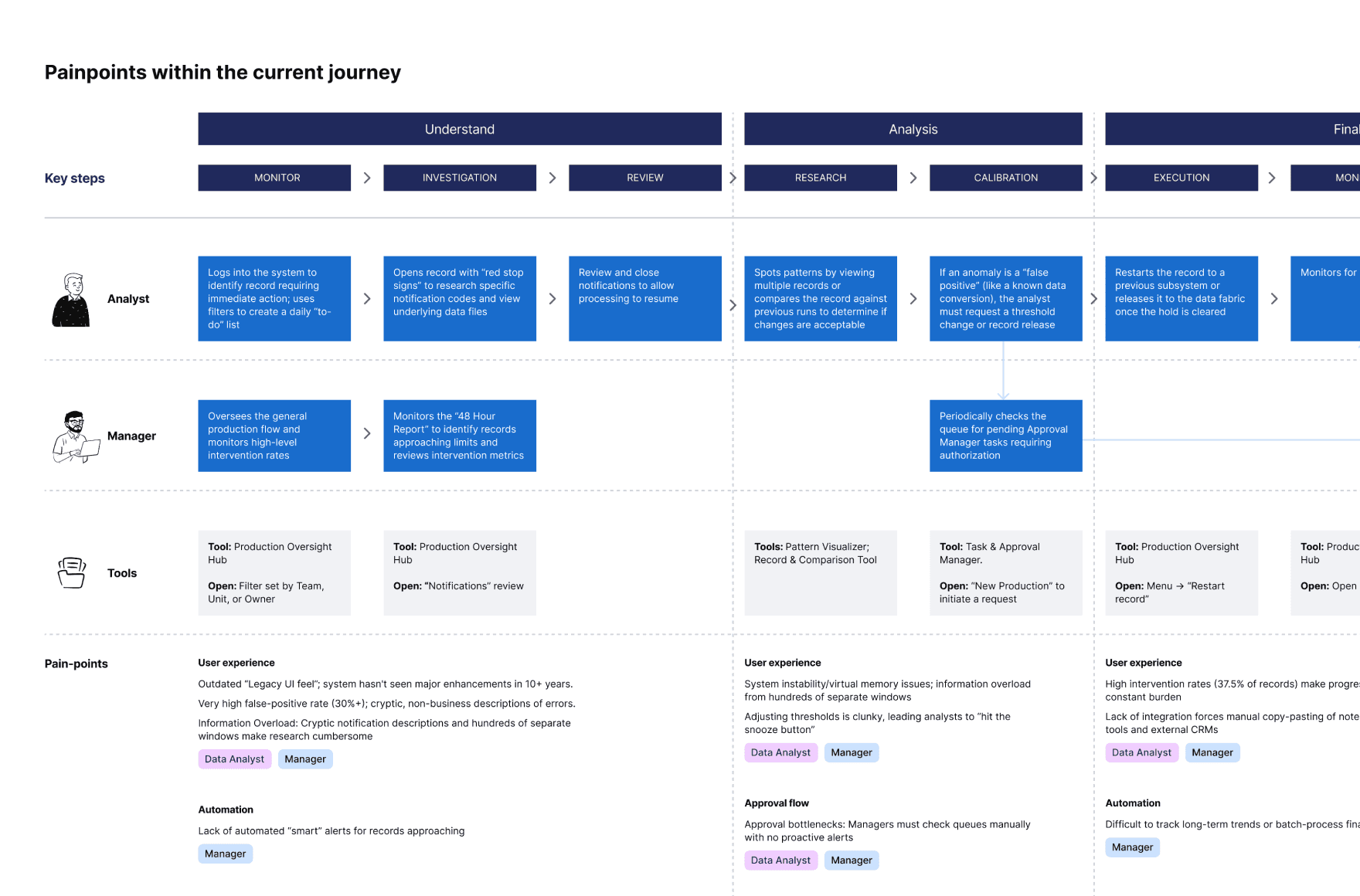
Analysts relied on 19 legacy tools and more than 20 separate windows to investigate a single job. They had to manually compare IDs, alerts, history, and supporting data, slowing analysis and increasing risk in a regulated environment.
Solution
I redesigned the experience as a unified, job-centric workspace built around the analysts’ core workflow: monitor, investigate, and resolve. Job status, data quality signals, related jobs, history, attachments, and operational controls became accessible within one connected experience.
Result
Investigation time decreased by approximately 30%, core workflow steps were reduced from 14 to 6, and 19 legacy tools were consolidated into 6 modules without introducing accidental errors during the pilot.

Before


Unified dashboard for monitoring data quality, job status, and critical alerts

Reusable patterns for navigation, AI assistance, and job monitoring
CONTEXT & CHALLENGE
DataQA had evolved over decades into a complex ecosystem of tools, windows, and navigation patterns. The challenge was not simply to modernize the interface. We needed to restructure the experience around how analysts worked while preserving the controls required in a regulated data pipeline. Direct access to end users was restricted, so the design process also required an alternative approach to research and validation.
DISCOVERY
Initial direction
What discovery revealed
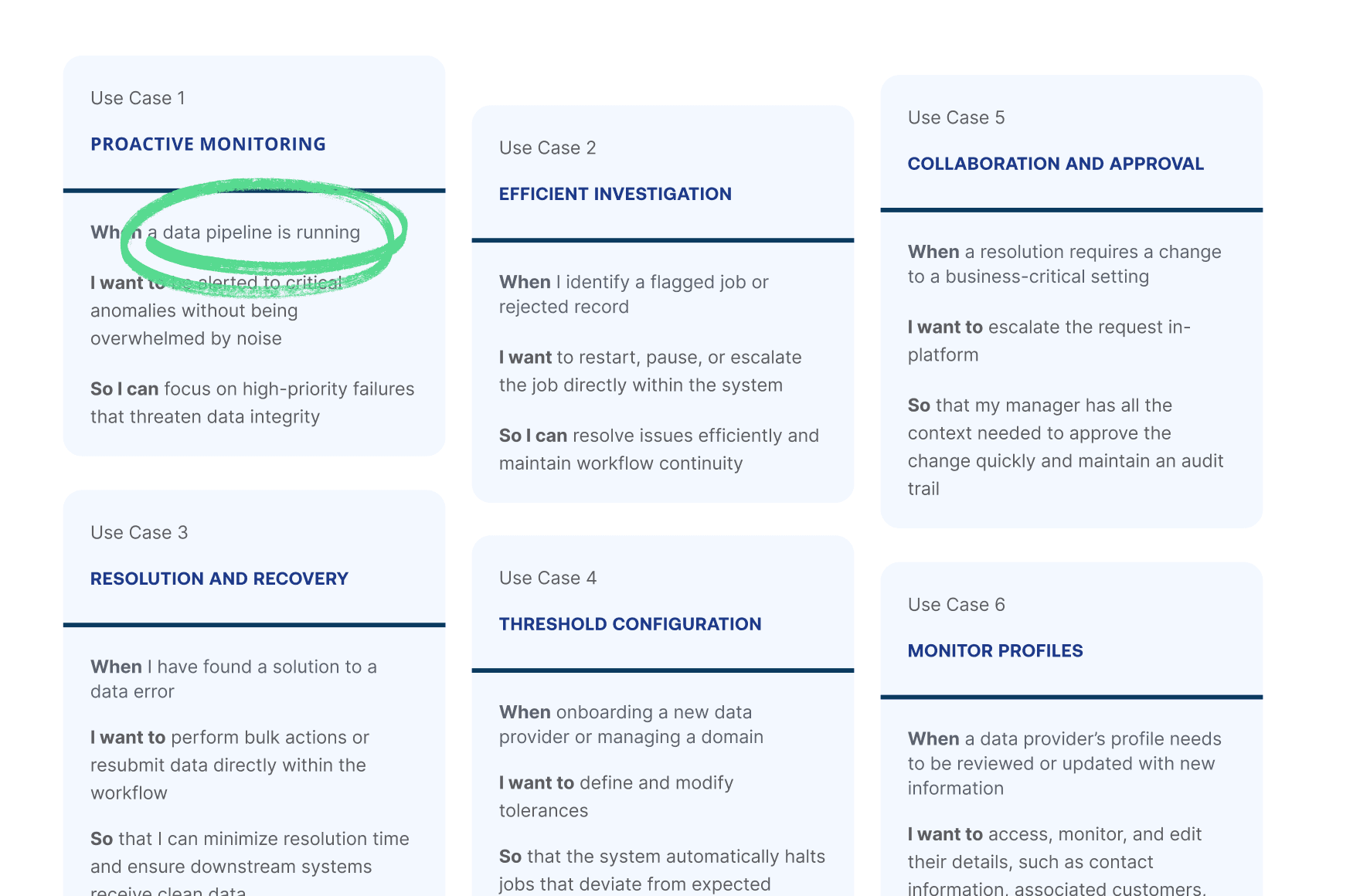
A legacy-system audit, workflow mapping, and SME workshops showed that analysts did not think in terms of tools or modules. They worked through a recurring cycle: Monitor a job → identify an issue → investigate the context → take action → verify the outcome.
New product direction
I shifted the focus from organizing separate tools to designing a unified workspace around the job itself. Instead of reproducing the legacy structure in a modern interface, we brought the information and actions required for an investigation into one connected flow.

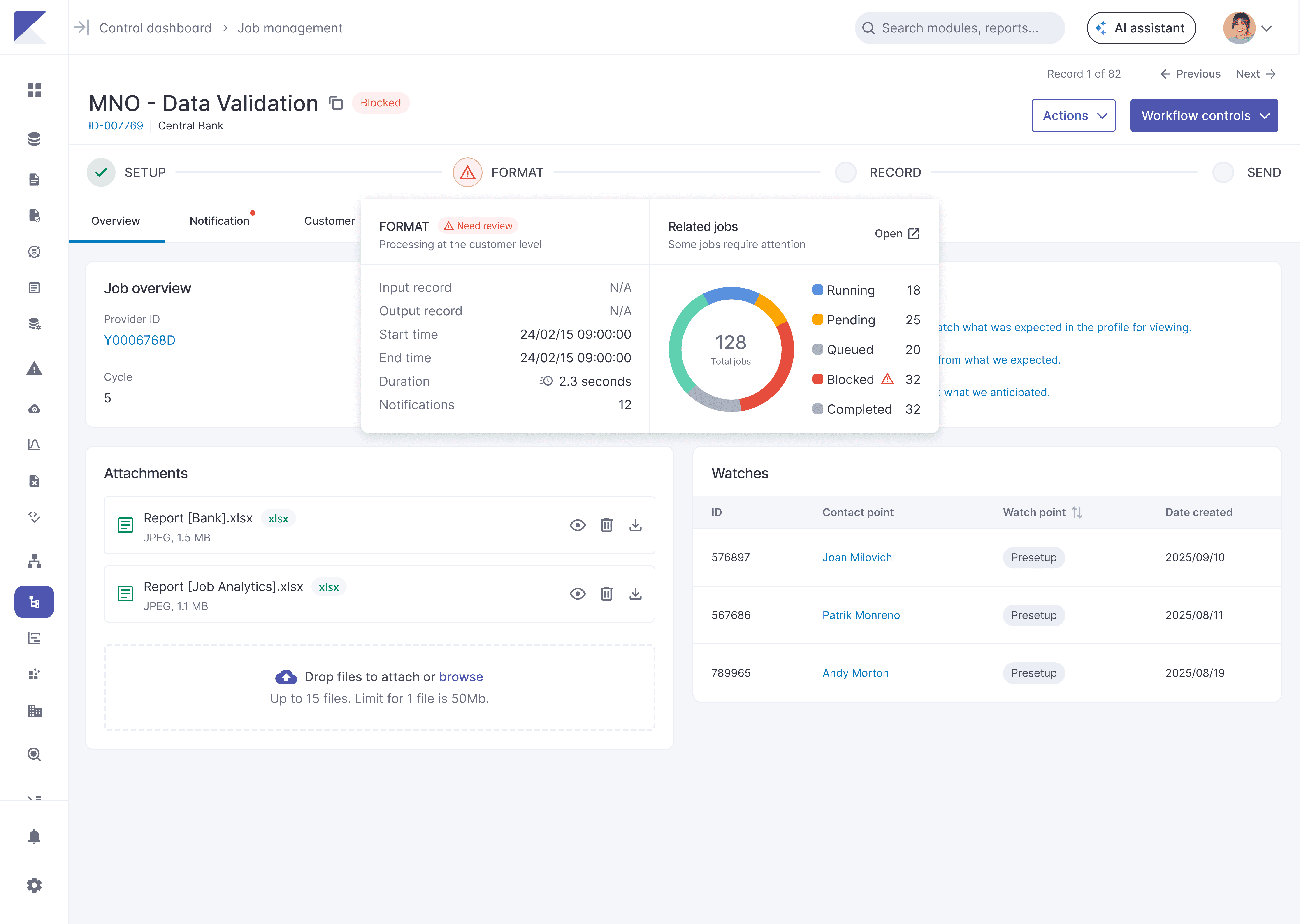
Complete job context with status, related jobs, attachments, and history
VALIDATION & ITERATION
AI-assisted validation
I tested the new direction through rapid prototypes and AI-assisted scenario validation. Rovo Agent simulated key analyst tasks, helping identify missing context, unclear states, and unnecessary steps. Subject matter experts validated the core workflows against real operational scenarios, while Product and Engineering assessed technical constraints and implementation risks. These iterations reduced the core investigation flow from 14 steps to 6 while preserving the controls analysts needed to act confidently.


Rovo Agent
KEY INSIGHTS
Context beats navigation. Analysts needed the complete state of a job in one place, not faster navigation between separate screens.
Compliance shapes the experience. Permissions, audit history, confirmations, and required justifications influenced how users understood and trusted the system.
UX writing supports product adoption. Consistent terminology connected the new experience to analysts’ existing knowledge and workflows.
Solution
Job-centric dashboard
Replaced the 19-tool sprawl with a single job-centric workspace: A Related Jobs view that removed the need to track and re-enter job IDs across systems manually.
Job-centric dashboard surfacing status, alerts, and jobs requiring attention

Searchable report history for reviewing data quality activity in one place

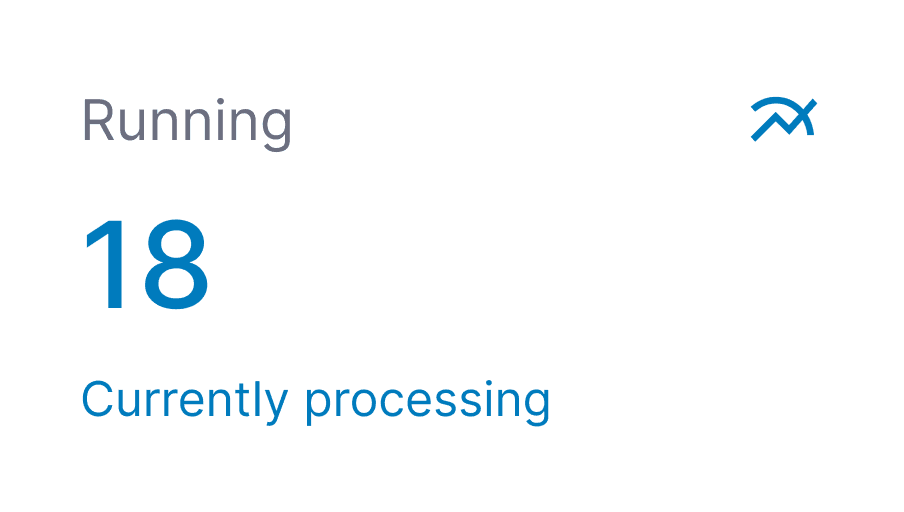


Prioritized jobs requiring attention
AI support for faster investigation
PRODUCT TRADE-OFF
More guidance, fewer errors
The goal was not to remove every step. In complex forms, I used progressive disclosure to divide long processes into smaller, manageable sections. Progress indicators showed analysts where they were and what remained, creating a stronger sense of control. For high-risk actions, we introduced additional confirmation modals and review steps. These interactions added effort intentionally, helping analysts verify their input and reducing the risk of costly mistakes.

Guided multi-step report creation
Outcome
DataQA evolved from a collection of legacy tools into a job-centric workspace where analysts could understand an issue, investigate its context, and act with greater confidence.

Unified job investigation workspace
Lessons learned
Redesign the workflow, not only the interface. The biggest improvement came from organizing the platform around investigations rather than separate tools.
Preserve what users already trust. Familiar terminology and domain concepts made the transition easier.
Treat compliance as part of product design. Permissions, audit history, and confirmations were essential parts of the experience.
Next cases


